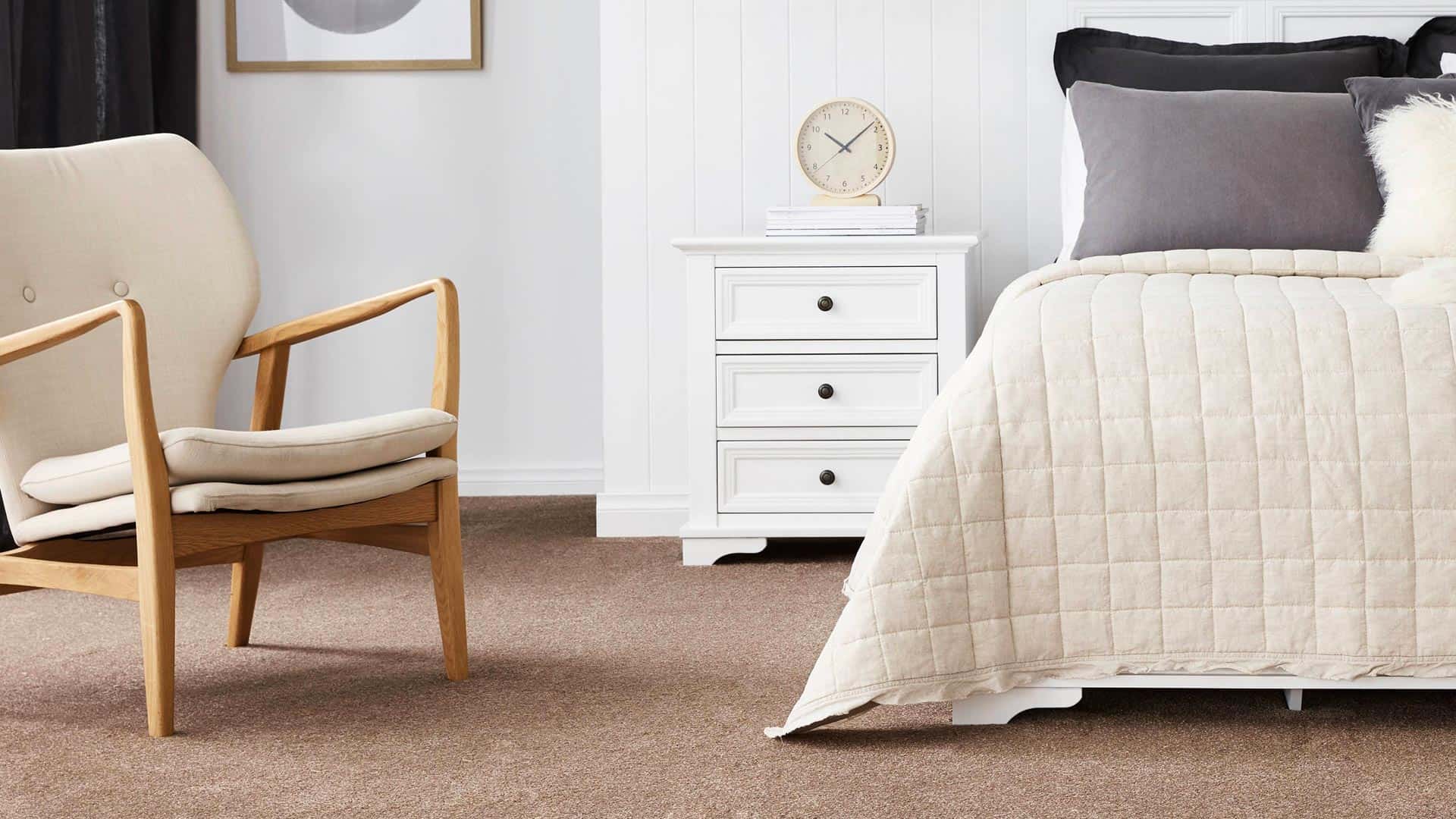
It is the dream of every homeowner to make their house the most aesthetic place on the face of Earth. Whenever he visualises their dream home, flooring has their major attention. For letting owners know the difference between Luxury Vinyl and Laminate Flooring, here are the facets that will make a big difference in your house and the next-door neighbour’s.
There are areas inside houses that are more susceptible to moisture. For those areas, luxury vinyl flowing layers are a preferred choice. This is because luxury vinyl flooring is composed of 100 percent plastic material with several layers. The layers and plastic material when combined do not let the water penetrate through this kind of flooring.
Materials that are utilized while designing luxury vinyl flooring firstly include the polyurethane layer. This layer will protect against UV radiation.
The fiberglass layer is one of the major components in binding the luxury vinyl flooring. Luxury vinyl flooring is composed of two layers of fiberglass. Wear layer, then comes design layer and print layer in which different layouts are being imprinted.
Secondly, the fiberglass layer is there as a top layer. After it, the middle layer adds to the thickness of the flooring. Again, a second fiberglass layer makes the luxury vinyl flooring water-resistant. Then adds the third layer known as the back layer to the overall structure and composition of luxury vinyl flooring.
Laminate flooring is made from more organic products. Such as the by-products of wood and resins, etc., unlike the above-mentioned flooring, these kinds of floors are not resistant to water. Hence, the corners of the houses which are not usually moist can be easily laminated with it.
Construction of the laminate flooring is almost the same as luxury vinyl flooring. However, since it is not water-resistant. It points to the fact that the double fiberglass layer is absent. On the contrary, a substrate core layer, known as a wooden layer, is installed on the substitute of the fiberglass layer.
Both these flooring types have their pros and cons. The installation may not end well if it is in the wrong part of the house. For instance, laminate flooring may not withstand moist parts of the house and might wear and tear out earlier than usual. However, luxury vinyl flooring will be a good fit for washrooms, laundries, and kitchens, etc.
Refer below to the pros and cons of both flooring types.
Following are the benefits of luxury vinyl flooring.
Here are some of the potential benefits of laminate flooring.
Take in view the following cons as well.
There are various other factors that a decision maker must consider for the aesthetics of their house.
Visual appeal sheds light on the authenticity of the flooring material that gives your house an exquisite look to stare at. Such elegant floorings resemble hardwood. However, the overall product will cost less than actual hardwood, but the elegance is on par.
Luxury vinyl flooring has made its mark in its texture, color, designs, styles, and patterns that give the same look as the floor is constructed entirely of wooden material.
On the other hand, laminate flooring provides a 3-D layer on top. However, its grace will only pop out when it is aligned in accurate angels and a perfect manner.
Resistance capacity refers to the capacity of the material for providing resistance against heat, water, noise, and moisture without getting damaged.
Luxury vinyl flooring is highly capable of enduring such a harsh environment. Soft texture allows you to drag furniture on it from one room to another. Likewise, its water-resistant capacity makes it durable for kitchen, laundry, and washrooms.
Laminate flooring when exposed to sunlight can bear it effectively. However, repeated contact with water will damage it. So, it could be a preferred choice for a home with kids and pets.
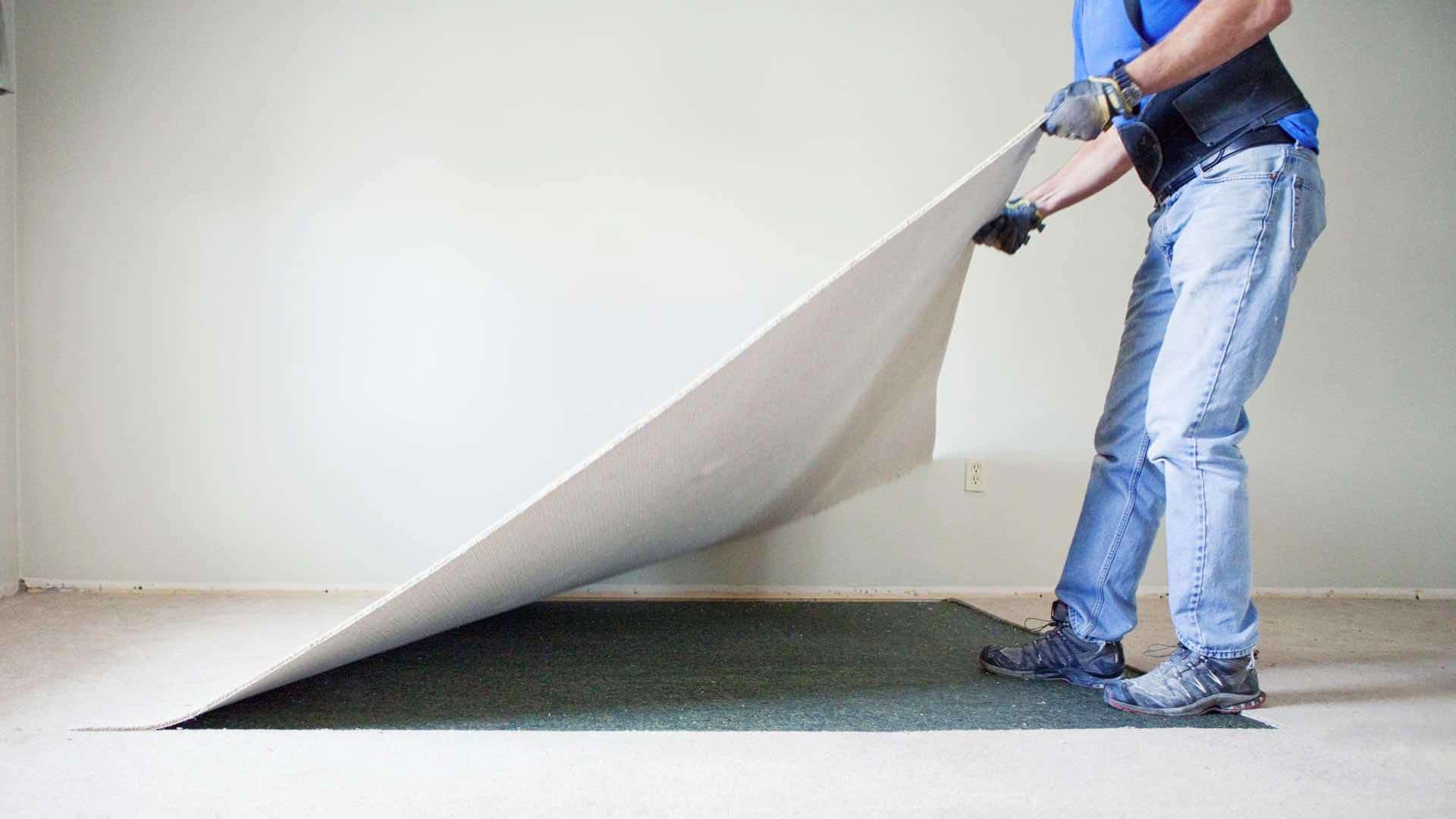
Luxury vinyl flooring is comparatively easier to install. Due to the softness of vinyl. However, vinyl in the form of sheets is difficult to handle all by oneself. After which the floors are easily mopped with a wipe and vanish away all dust particles and waste.
Laminate flooring is not easy to cut and requires specific equipment to do so. Thus, making it a bit harder. It requires immediate cleaning of water, to not let it settle down. Also, sharp items need to be avoided to protect lamination.
Depending on your needs and wants, luxury vinyl and laminate flooring have their specialties. The former is a better option when it comes to durability. While the latter gives a more realistic and aesthetic look.